NovaFoam®
Think different, think green
Before introducing the potential of NOVAFOAM®, the innovative synthetic wood, let us take a brief look at the raw material behind this innovation: polystyrene.
What is polystyrene?
Polystyrene (also known as EPS in its expanded form) is a thermoplastic resin obtained by polymerizing styrene. First discovered in 1839 by Eduard Simon, before being expanded, polystyrene comes in the form of small transparent beads. Sintering is the process of fusing these beads together: when exposed once again to water vapor at 110-120°C and pentane, they expand and bond to form a homogeneous block known as Expanded Polystyrene (EPS).
What is EPS?
Polystyrene and Expanded Polystyrene (EPS) are synonymous terms. EPS is a rigid and lightweight material made of carbon, hydrogen, and 98% air. It is used to make all kinds of everyday items (often single-use products). Due to its widespread use and low cost, it is a material at extremely high risk of waste: in Italy alone in 2021 - source AIPE - 700,000 tons of EPS were produced, while worldwide the figure reached 4.5 million tons.
EPS in our daily life
There is a massive amount of material with an infinite lifespan that must be disposed of and continues to accumulate in landfills. Recycling EPS is difficult: the material is light and occupies enormous volumes, making transport costs economically non-viable.
The NOVAFOAM® solution
This scenario, seemingly dramatic for future sustainability, can change: NOVAFOAM® represents an effective alternative for reusing EPS, producing a top-quality "synthetic wood". Here are the key features of this technology.
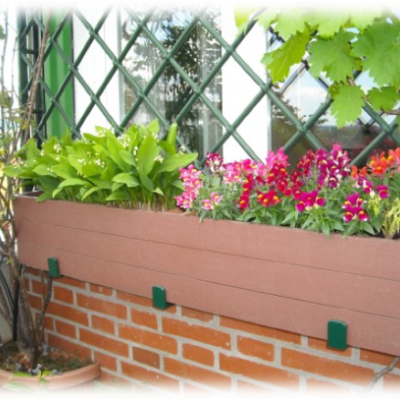
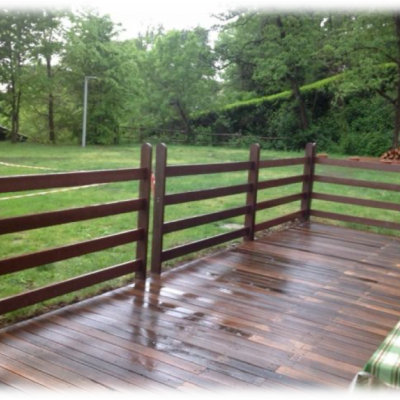
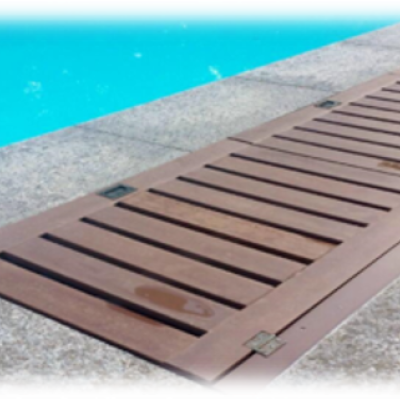
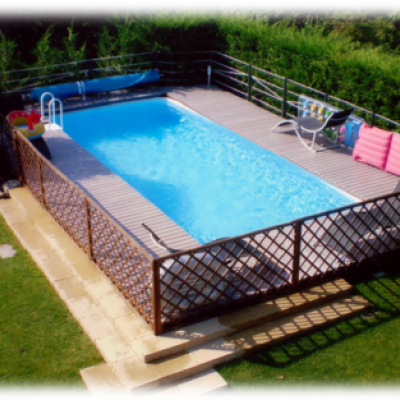
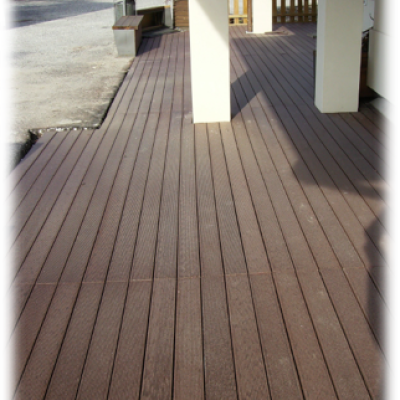
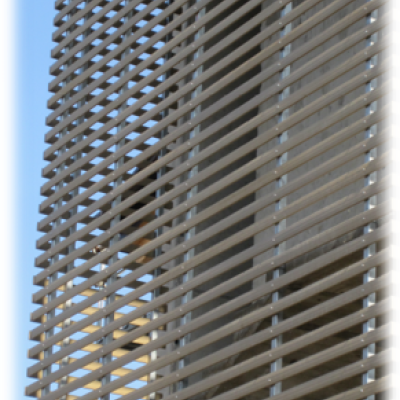
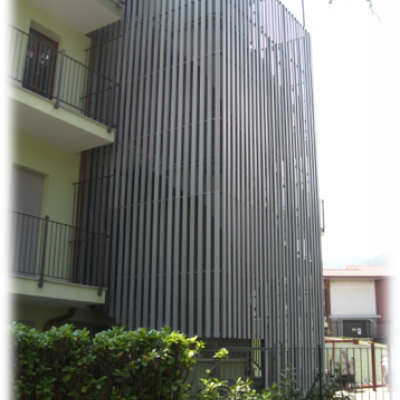
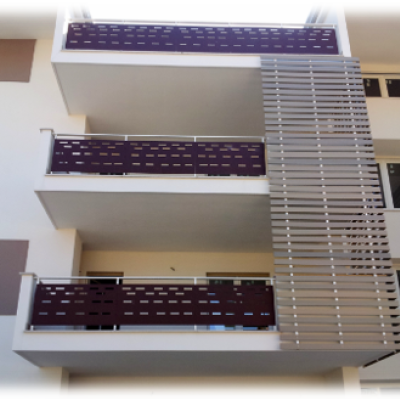
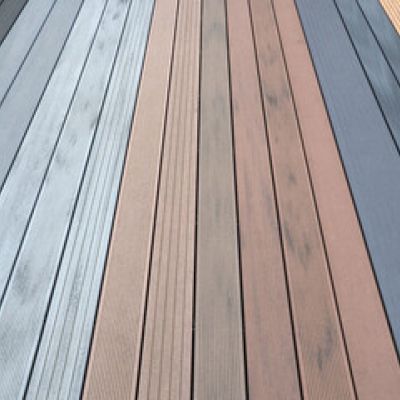
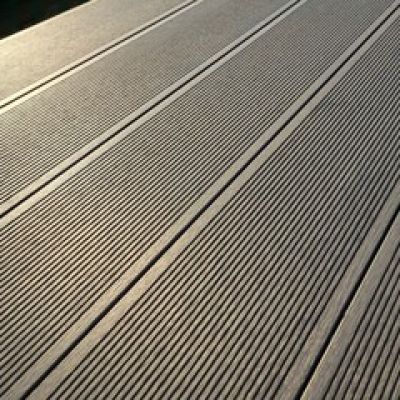
NOVAFOAM® material
It is produced through a non-polluting, unique, and exclusive process that reuses EPS. The resulting product is innovative, high-quality, safe, and eco-friendly, boasting characteristics very similar to wood.
NOVAFOAM® compared to wood
- Zero damage from moths or insects
- Zero thermal expansion
- Zero wood preservatives needed to extend its lifespan
- Zero stains, zero splinters
- Zero waste: imperfect products are reground and reintroduced into the production cycle
- Zero pollution
- Long-lasting material with no maintenance required
- Superior fire resistance
- Superior thermal insulation
- Cost comparable to good quality natural wood
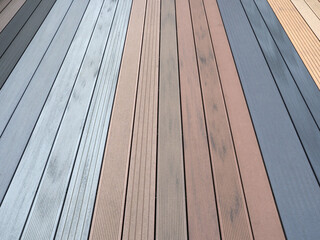
- Customizable colors and dimensions
- Antibacterial properties
*NOVAFOAM® is a registered trademark and an independent project developed by its owners, managed and manufactured by the company under license.